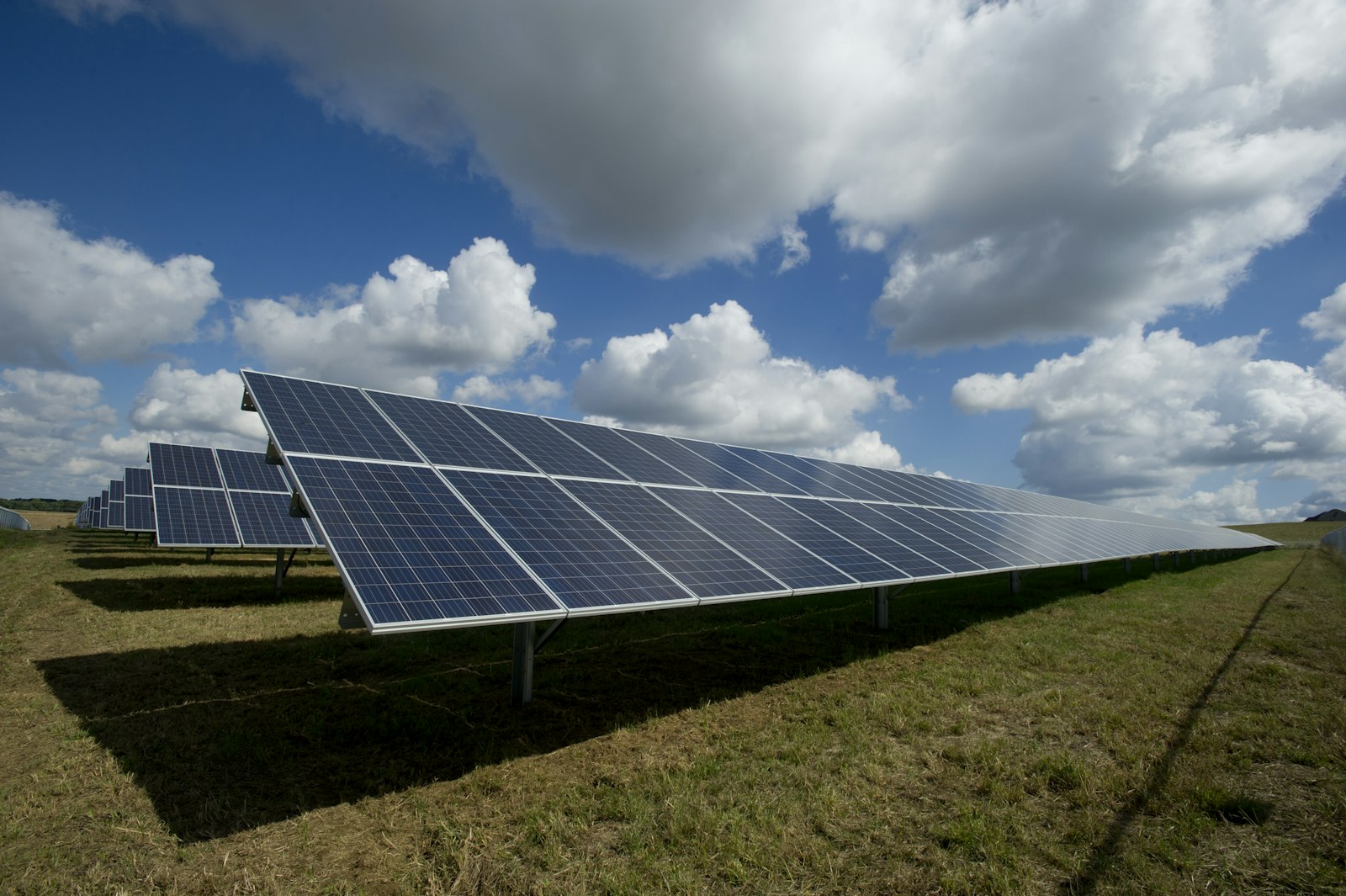
Go Solar.
Save More.
Compare free quotes from trusted solar installers near you. Claim the 30% federal tax credit and start saving on day one.
Why Go Solar
6 Benefits of Solar Panels
Eliminate Electric Bills
Most homeowners reduce or eliminate their monthly electricity bill entirely after going solar.
Increase Home Value
Homes with solar sell for 4% more on average and sell faster than comparable non-solar homes.
Reduce Carbon Footprint
A typical residential solar system offsets 3–4 tons of carbon emissions per year.
Energy Independence
Protect yourself from rising utility rates and grid outages with your own power source.
30% Federal Tax Credit
Claim 30% of your total system cost as a federal tax credit through 2032.
Low Maintenance
Solar panels require minimal maintenance — occasional cleaning and a yearly inspection is all that's needed.
Pricing Guide
How Much Do Solar Panels Cost?
Solar costs vary by system size, panel type, and your location. Here's a breakdown by system size for a typical home:
| System Size | Cost Before Tax Credit |
|---|---|
| 4 kW (small home) | $12,000 – $16,000 |
| 6 kW (average home) | $18,000 – $24,000 |
| 8 kW (larger home) | $24,000 – $32,000 |
| 10 kW (large home) | $30,000 – $40,000 |
| + Battery Storage | Add $8,000 – $15,000 |
* Prices vary by region and installer. Get free quotes to find the best price in your area.
Solar Options
Types of Solar Systems
Monocrystalline
Most efficient. Best for limited roof space. Premium option.
Polycrystalline
Slightly less efficient. More affordable than mono.
Thin-Film
Flexible, lightweight. Best for non-standard surfaces.
Ground Mount
Installed in yard. Ideal when roof isn't suitable.
Solar + Battery
Panels plus storage for energy independence.
Solar Roof Tiles
Integrated tiles (e.g. Tesla Solar Roof). Premium aesthetic.
Not sure which solar panel company to hire?
We've ranked the top companies by price, reviews, and reliability.
Our Process
How Homelynk Works
Tell us about your home
Answer 5 quick questions about your home, roof, and current electric bill. Just a few quick questions.
Get matched with installers
We match you with 2–3 trusted solar installers in your area who will design a system for your home.
Compare quotes & go solar
Installers reach out with free proposals. Compare system sizes, pricing, and financing options.
Why Homeowners Use HomeLynk
What to Expect
You never pay HomeLynk
Contractors pay to take part in the network, so comparing quotes costs you nothing and carries no obligation to hire.
More than one quote
You are matched with multiple local contractors, so you can weigh scope and price against each other rather than accepting the first number you are given.
Local contractor network
You are matched with contractors serving your area who work in the trade your project needs. Confirm any contractor's credentials and coverage directly with them before signing.
FAQ
Solar Panel Questions Answered
The average cost of a residential solar panel system ranges from $15,000 to $30,000 before incentives, or $3.00–$5.00 per watt installed. After the federal solar tax credit (30% of system cost), the net cost drops to $10,500–$21,000. Most homeowners recoup their investment in 6–10 years through energy savings.
The average homeowner saves $1,000–$1,500 per year on electricity after going solar. Over 25 years (the typical panel warranty period), that's $25,000–$37,500 in savings. Savings depend on your current electricity rate, system size, roof orientation, and local sunlight hours.
The Residential Clean Energy Credit (ITC) allows you to deduct 30% of your solar installation cost from your federal income taxes. For a $20,000 system, that's a $6,000 tax credit. This credit is available through 2032 and applies to both panels and battery storage systems.
Most solar panels come with a 25-year performance warranty and can last 30+ years. They typically degrade at about 0.5% per year, meaning after 25 years they still produce about 87% of their original output. Inverters typically need replacement after 10–15 years.
Yes. Solar panels still generate electricity on cloudy days — typically at 10–25% of their rated capacity. Modern panels are designed to capture diffuse light, not just direct sunlight. Germany, one of the cloudiest countries in the world, is a global leader in solar energy.
Battery storage (like the Tesla Powerwall) lets you store excess solar energy for use at night or during outages. It adds $8,000–$15,000 to the system cost but provides energy independence and backup power. It's most valuable in areas with time-of-use electricity rates or frequent outages.
Solar Panels
Free quotes · No obligation
Answer 5 quick questions and we'll match you with trusted solar installers in your area — completely free.
Get Free Solar Quotes →Free · No obligation · Quick & easy
Why Homelynk?
30%
Federal tax credit available on all solar installs
Ready to Go Solar?
Get free quotes from certified solar installers. Claim your 30% tax credit. Takes just a few minutes.
Get My Free Quotes