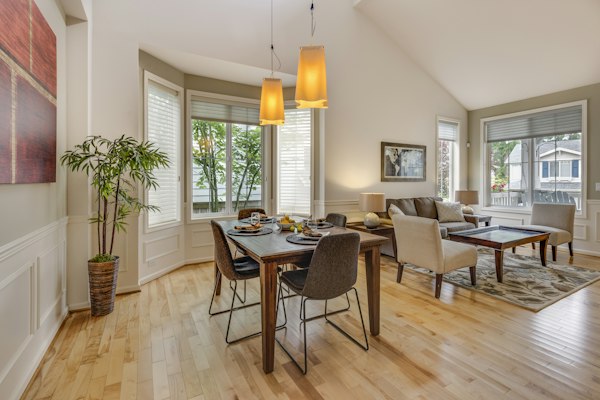
Choosing the Right Window Style
With so many window styles available, choosing the right replacement windows can feel overwhelming. The good news: once you understand the basic types and their pros and cons, the decision becomes much easier.
Double-Hung Windows
The most popular window style in the U.S. Both the upper and lower sashes slide up and down, making them easy to clean and ventilate. Works well in most rooms and architectural styles.
Best for: Bedrooms, living rooms, traditional homes
Casement Windows
Free Service
Ready to get free Window Replacement quotes?
Compare trusted local contractors — no obligation, completely free.
Hinged on one side and cranked open outward, casement windows provide excellent ventilation and a tight seal when closed. They're particularly energy-efficient because the sash presses against the frame when shut.
Best for: Hard-to-reach areas, modern homes, areas needing maximum airflow
Sliding Windows
Two sashes slide horizontally past each other. Simple, low-maintenance, and great for wide openings. Less ventilation than casement but easier to operate than double-hung in some applications.
Best for: Contemporary homes, wide horizontal openings, garages
Bay and Bow Windows
Bay windows project outward from the wall with three panels (typically at 30° or 45° angles). Bow windows use four or more panels for a curved appearance. Both add architectural interest and interior space.
Best for: Living rooms, dining rooms, adding visual drama
Picture Windows
Fixed (non-opening) windows designed to frame a view. Maximum glass area, excellent energy efficiency, and very low maintenance. Often combined with operable windows on either side.
Best for: Great views, living rooms, areas where ventilation isn't needed
Awning Windows
Hinged at the top and opening outward from the bottom. Can be left open during light rain. Often used above or below other windows for ventilation.
Best for: Bathrooms, basements, pairing with picture windows
Which Window Type Is Right for You?
The best window type depends on your home's architecture, your ventilation needs, and your budget. When you get quotes through Homelynk, our matched contractors will walk you through the options that make the most sense for each room.